
The Healing Space
5.0(137)
Shop No. 2, Sunita Apartment, Mahavir Nagar, Kandivali W, MUMBAI
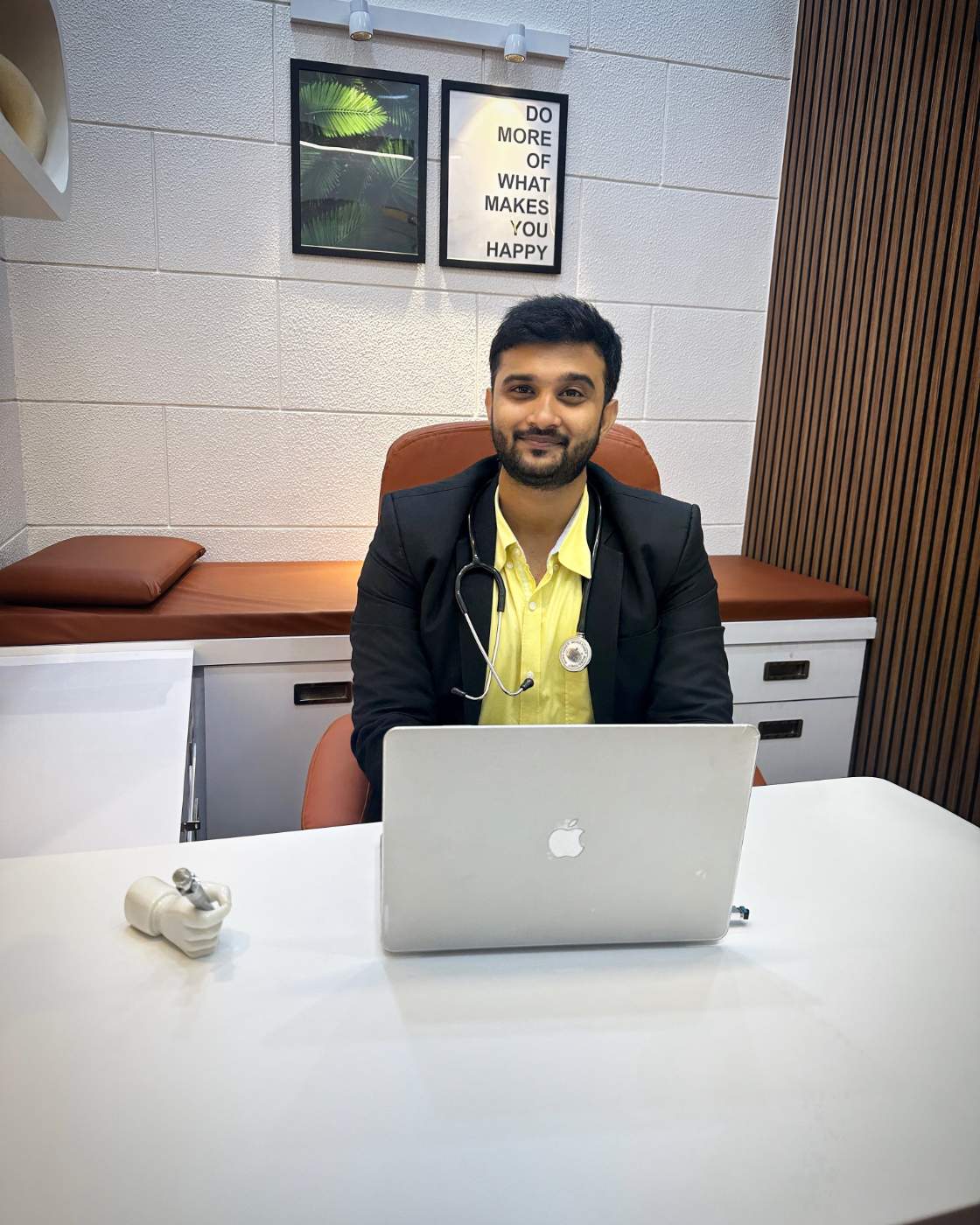
Hair Fall TreatmentAcne & PimplesSkin doctorChild specialist+32
7977017765How homeopathy approaches rosacea — facial redness and flushing — as individualised supportive care, with commonly considered remedies and when to see a dermatologist.
Quick answer
Can homeopathy help rosacea?
Rosacea causes persistent facial redness, flushing and sometimes small bumps. Homeopathy is used as individualised supportive care alongside trigger avoidance, sun protection and dermatology advice. It works gradually and offers no instant cure; eye involvement or worsening skin should be seen by a doctor.
Reviewed & updated: June 2026
A practitioner explores your flushing triggers — heat, spicy food, alcohol, sun or stress — the pattern of redness and bumps, and your temperament and general health. This whole picture, rather than the label, guides which remedy is considered. Advice on identifying triggers and daily sun protection usually accompanies treatment.
Rosacea is often persistent, and any supportive response is gradual and varies; homeopathy offers no rapid cure. Eye irritation and redness (ocular rosacea), marked thickening of the skin, or worsening despite care should be assessed by a dermatologist. Homeopathy should complement, not replace, that care and sun protection.
The same rosacea can call for different remedies, because the practitioner reads the individual pattern: the flushing triggers — heat, sun, spicy food, alcohol or stress — the distribution of redness and bumps, any burning or stinging, and the person's temperament and general health. This whole picture, rather than the label alone, guides which remedy is considered as part of supportive care, alongside identifying and reducing personal triggers.
Rosacea is often persistent, and any supportive response is gradual and varies, with no rapid cure. Identifying and avoiding personal flush triggers, gentle skin care, and daily sun protection are widely recommended and sit alongside treatment, since sun and heat commonly aggravate the skin. Eye irritation and redness (ocular rosacea), marked thickening of the skin, or worsening despite care should be assessed by a dermatologist. Homeopathy should complement, not replace, that care.
These are remedies homeopaths often consider — the right one is chosen for your individual case by a qualified doctor, not self-prescribed.
Often considered for marked flushing and heat of the face, worse with warmth.
Commonly considered for burning redness of the cheeks with flushing.
May be considered for a hot, red, flushed face that comes on suddenly.
Considered for redness and burning worse from warmth and washing.
Carbo Animalis
Sometimes considered for persistent bluish-red discoloration of the face.
Book an online or in-clinic consultation with a qualified homeopath.
Shop No. 2, Sunita Apartment, Mahavir Nagar, Kandivali W, MUMBAI
Shop No: O-113, Addela Mart, Raksha Addela, Gaur City -2 Sector-16C, Noida Extension, Greater Noida West, 201009, Greater Noida
F 228, 2nd Floor, Sushant Shopping Arcade, B Block, Sushant Lok 1, Gurgaon, Gurgaon
Rajakkad - Pooppara Rd, Munnar
PF -23, First Floor, TOT Mall, C Block, C Block, Sector 62, Noida, Uttar Pradesh, 201301, Noida
A-10, Sector 55, Maithili Marg, Noida 201307, Noida
9311101106Use your location to see the closest verified homeopathy clinics and book an online or in-clinic consultation.
Have a question? A verified homeopath will answer it. General guidance only — not a substitute for a consultation.
Homeopathy does not promise a cure. Rosacea is often persistent; homeopathy is used as individualised supportive care, and outcomes vary by person.
Common triggers include heat, sun, spicy food, alcohol and stress. Identifying and reducing your own triggers is an important part of care.
Eye irritation and redness, marked skin thickening, or worsening despite care should be assessed by a dermatologist.
Yes. Daily sun protection is widely recommended for rosacea regardless of treatment, since sun is a common trigger.
Self prescribing is not advised. Remedy selection is individualised and should be done by a qualified practitioner after assessment.
This page is for general information only and is not medical advice. Homeopathy should complement, not replace, conventional medical care — especially for serious or chronic conditions. Always consult a qualified homeopathic doctor for a remedy chosen for your individual case, and do not stop any prescribed medication without your physician’s guidance.