
The Healing Space
5.0(137)
Shop No. 2, Sunita Apartment, Mahavir Nagar, Kandivali W, MUMBAI
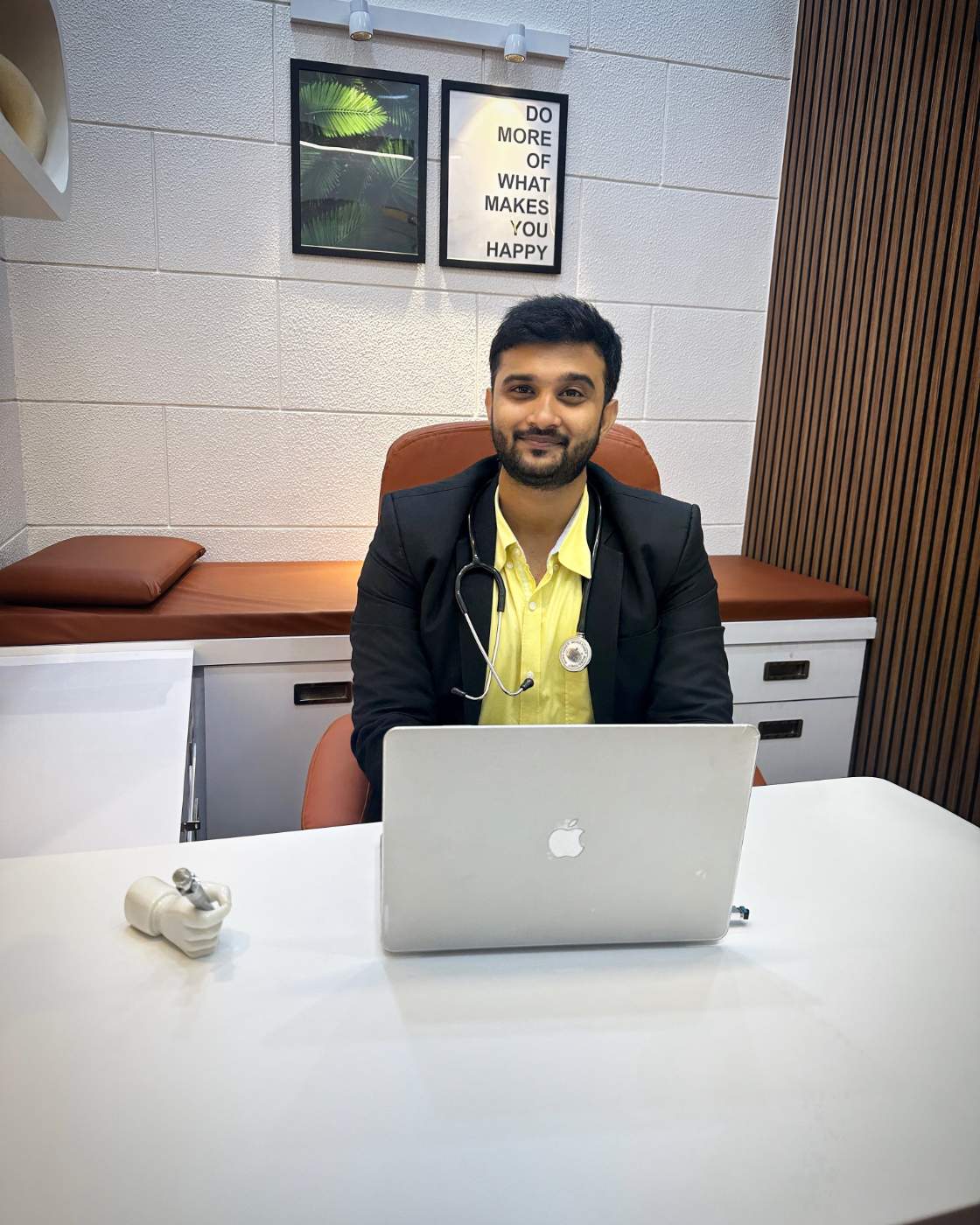
Hair Fall TreatmentAcne & PimplesSkin doctorChild specialist+32
7977017765How homeopathy supports obsessive compulsive disorder (ocd) care in India with individualised remedies, realistic expectations, and clear guidance on when to see a doctor.
Quick answer
Can homeopathy help obsessive compulsive disorder (ocd)?
Obsessive compulsive disorder involves recurrent intrusive thoughts and repetitive behaviours performed to relieve anxiety. It is a recognised mental-health condition that needs professional care. Homeopathy may be considered only as supportive, individualised care alongside that treatment.
Reviewed & updated: June 2026
A homeopathic practitioner considers the whole person - the nature of the thoughts and rituals, the anxieties beneath them, the temperament, sleep, and the general constitution. The remedy is matched to this individual picture rather than the label alone. Homeopathy is viewed strictly as supportive, individualised care, not a proven cure. OCD needs professional mental-health assessment and treatment, and homeopathy is used only alongside that, never instead of it.
OCD is best helped by established mental-health treatments such as psychological therapy and, where needed, medication. Any homeopathic role is supportive and adjunctive only, and any response varies. No specific outcome can be promised, and treatment should not be stopped. A practitioner may read the constitutional picture as part of wider care, always alongside the mental-health professional managing the condition.
In homeopathy the practitioner reads the whole picture rather than the symptom alone - the nature of the thoughts and rituals, the anxieties beneath them, the temperament, and the constitution. This individualised picture may guide a supportive remedy, but only within a framework of professional mental-health treatment, because OCD is a recognised condition that needs proper assessment and established therapies.
Seek professional mental-health support if intrusive thoughts or compulsions are distressing, time-consuming, or affecting daily life, work, or relationships, and seek urgent help for any thoughts of self-harm or hopelessness. Effective treatments exist. Any homeopathic role is supportive only and any response varies. Homeopathy should complement, not replace, mental-health care.
These are remedies homeopaths often consider — the right one is chosen for your individual case by a qualified doctor, not self-prescribed.
Considered where anxiety centres on order, cleanliness, and control, with restlessness.
Considered for dwelling on distressing thoughts in a reserved, grief-prone person.
Considered for fixed ideas and a rigid, anxious perfectionism.
Considered for fixed ideas and a feeling of being watched or separated from reality.
Syphilinum
Considered by practitioners where washing and cleanliness compulsions dominate.
Book an online or in-clinic consultation with a qualified homeopath.
Shop No. 2, Sunita Apartment, Mahavir Nagar, Kandivali W, MUMBAI
Shop No: O-113, Addela Mart, Raksha Addela, Gaur City -2 Sector-16C, Noida Extension, Greater Noida West, 201009, Greater Noida
F 228, 2nd Floor, Sushant Shopping Arcade, B Block, Sushant Lok 1, Gurgaon, Gurgaon
Rajakkad - Pooppara Rd, Munnar
PF -23, First Floor, TOT Mall, C Block, C Block, Sector 62, Noida, Uttar Pradesh, 201301, Noida
A-10, Sector 55, Maithili Marg, Noida 201307, Noida
9311101106Use your location to see the closest verified homeopathy clinics and book an online or in-clinic consultation.
Have a question? A verified homeopath will answer it. General guidance only — not a substitute for a consultation.
Homeopathy does not claim a permanent cure. It is offered as individualised supportive care and should complement, not replace, conventional medical treatment.
Responses are gradual and vary from person to person, often over weeks to months. A practitioner reviews progress and there are no guaranteed timelines.
No. Do not stop prescribed treatment on your own. Homeopathy is meant to complement conventional care. Discuss any change with your doctor.
Self-prescribing is not advised. Remedy selection depends on the whole individual picture and is best done by a qualified practitioner.
This page is for general information only and is not medical advice. Homeopathy should complement, not replace, conventional medical care — especially for serious or chronic conditions. Always consult a qualified homeopathic doctor for a remedy chosen for your individual case, and do not stop any prescribed medication without your physician’s guidance.